
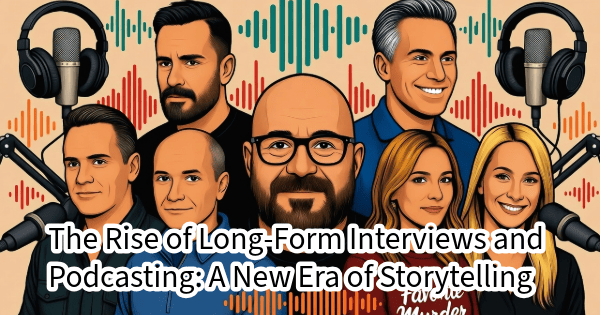
In the last decade, long-form interviews and podcasting have transformed from niche hobbies into cultural juggernauts, reshaping how we consume stories, ideas, and conversations. What began as a medium for tech enthusiasts and audio nerds has evolved into a global platform where thought leaders, entertainers, and everyday voices connect with millions. This shift reflects a growing appetite for authentic, unfiltered dialogue in an age of soundbites and fleeting social media posts.
The Roots of the Podcasting Boom
Podcasting’s modern surge can be traced to the mid-2000s, when RSS feeds and portable MP3 players made audio content accessible. Shows like This American Life and Radiolab set early benchmarks, blending storytelling with journalistic rigor. But the real tipping point came with the 2014 launch of Serial, a true-crime podcast hosted by Sarah Koenig. Its gripping narrative and episodic format captivated listeners, proving that podcasts could rival TV or film for storytelling power. By 2025, the global podcasting market is projected to surpass $4 billion, with over 500 million listeners worldwide tuning into platforms like Spotify, Apple Podcasts, and YouTube.
The rise of smartphones and streaming services fueled this growth. Unlike traditional radio, podcasts offer on-demand listening, letting people dive into hours-long conversations during commutes, workouts, or quiet evenings. The intimacy of audio voices speaking directly into earbuds creates a unique bond between host and listener, fostering a sense of connection that’s hard to replicate in other media.
Why Long-Form Interviews Thrive
Long-form interviews, often stretching two to three hours, have become podcasting’s secret weapon. In a world where news cycles churn out 280-character hot takes, these extended conversations offer depth and nuance. They allow guests to unpack complex ideas, share personal anecdotes, and reveal unpolished humanity. Listeners crave this authenticity, especially as trust in traditional media wanes. A 2023 Edison Research study found that 65% of podcast listeners value the “genuine” feel of long-form content over polished, short-form alternatives. The format also benefits from its flexibility.
Hosts can explore niche topics: philosophy, biohacking, or UFOs, without the constraints of mainstream media’s gatekeeping. This freedom has birthed a diverse ecosystem of shows catering to every interest, from true crime to theoretical physics.
Prominent Figures Leading the Charge
Several hosts have become household names, shaping the industry with their unique styles:
- Joe Rogan: With The Joe Rogan Experience, Rogan redefined long-form podcasting. His marathon interviews—often exceeding three hours—cover everything from MMA to psychedelics. Guests like Elon Musk, Jordan Peterson, and Bernie Sanders have drawn millions, with Rogan’s Spotify deal reportedly worth $250 million. His casual, curious approach resonates with listeners seeking unfiltered perspectives.
- Lex Fridman: A research scientist turned podcaster, Fridman’s Lex Fridman Podcast (formerly The Artificial Intelligence Podcast) dives into science, tech, and human nature. His empathetic, intellectual style has attracted guests like Neil deGrasse Tyson and Mark Zuckerberg, earning a loyal following among those craving thoughtful discourse.
- Tim Ferriss: Known for The Tim Ferriss Show, Ferriss deconstructs the habits of high performers, from athletes to CEOs. His meticulous preparation and focus on actionable insights have made his show a go-to for self-improvement enthusiasts.
- My Favorite Murder: Hosted by Karen Kilgariff and Georgia Hardstark, this true-crime comedy podcast blends storytelling with humor. Its massive fanbase, dubbed “Murderinos,” highlights the power of relatable hosts who feel like friends.
- Huberman Lab: Neuroscientist Andrew Huberman’s podcast breaks down complex science into digestible lessons on health and performance. His rigorous yet accessible style has made him a trusted voice in wellness.
Podcasting’s rise reflects a broader cultural shift toward individualized media consumption. Unlike TV, where schedules dictate viewing, podcasts empower listeners to curate their own intellectual journeys. This democratization has also elevated diverse voices, from independent creators to marginalized communities, who now have a platform to share their stories.
The format’s influence extends beyond entertainment. Politicians, scientists, and activists use podcasts to bypass traditional media filters, reaching audiences directly. For example, Rogan’s 2021 episode with Dr. Robert Malone sparked heated debates about vaccine discourse, showing how podcasts can shape public conversation—sometimes controversially.
Challenges and the Future
Despite its success, podcasting faces hurdles. Market saturation makes it harder for new shows to stand out, and ad revenue, while lucrative for top players, remains elusive for smaller creators. Platforms like Spotify and Amazon are investing heavily, but their push for exclusivity risks fragmenting the open ecosystem that made podcasting thrive.
Looking ahead, innovations like AI-driven content recommendations and interactive audio experiences could further personalize the medium. Video podcasts, popularized on YouTube, are also gaining traction, blending the intimacy of audio with visual engagement.
Conclusion
Long-form interviews and podcasting have ushered in a golden age of storytelling, driven by authenticity, accessibility, and the human voice. Figures like Joe Rogan, Lex Fridman, and Andrew Huberman have turned their microphones into cultural megaphones, amplifying ideas that resonate across the globe. As technology evolves and listeners demand deeper connections, podcasting’s influence will only grow, proving that in a noisy world, the power of a good conversation endures.
Estimated reading time: 4 minutes